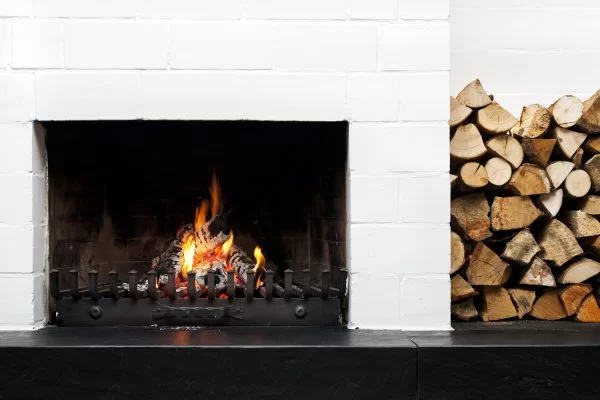
What causes Carbon Monoxide to leak?
Carbon Monoxide is produced when fuels such as gas, oil, coal and wood do not burn fully; it can also be produced by burning charcoal, running cars and the smoke from cigarettes also produce Carbon Monoxide gas.
Gas, oil, coal and wood are sources of fuel used in many household appliances, such as boilers, gas fires, central heating systems, water heaters, cookers and open fires. Appliances that are incorrectly installed, have inadequate ventilation or are poorly maintained are the most common causes of Carbon Monoxide exposure.
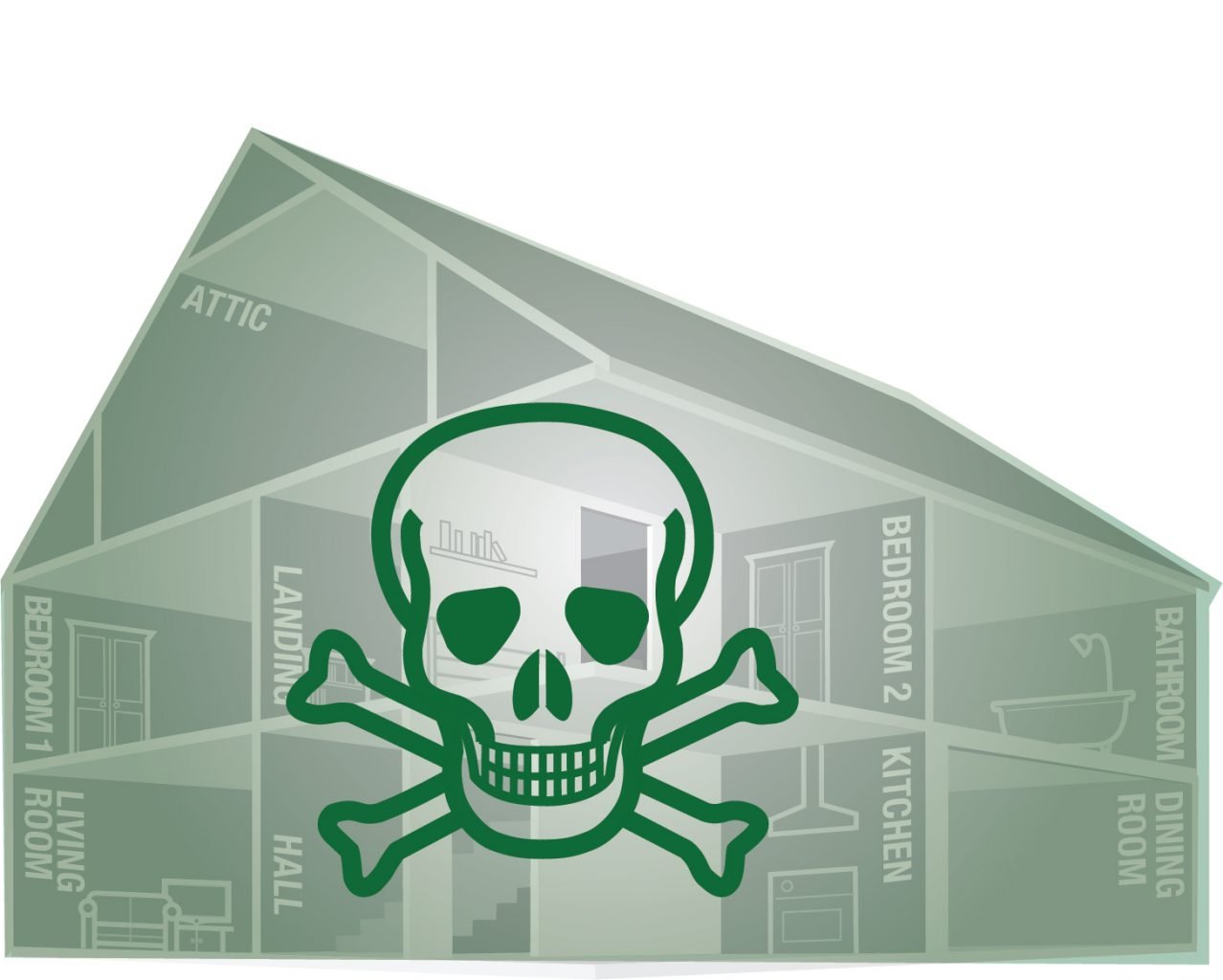
Would you know the 6 symptoms of Carbon Monoxide poisoning?
There are around 60 deaths from accidental Carbon Monoxide poisoning every year in England and Wales.
The symptoms of Carbon Monxide poisoning vary depending on the level of exposure and are not always obvious as they are similar to other illnesses such as flu or food poisoning.
The most common symptoms include:
- Unconciousness
- Collapse
- Dizziness
- Breathlessness
- Headache
- Nausea
The symptoms will worsen with prolonged exposure to Carbon Monoxide.
 Heat Producing Appliances Building Regulations 2014
Technical Guidance Document J
Part J the Requirement
| Discharge of products of combustion |
J2 (a) |
A heat producing appliance shall have adequate provision for the discharge of the products of combustion to the outside air. |
| Warning of release of Carbon Monoxide |
J2 (b) |
Reasonable provision shall be made to avoid danger to the health and safety of the occupants of a dwelling caused by the release of carbon monoxide from heat producing appliances. |
.
 |
EN 50291-1:2010 +A1:2012 Electrical apparatus for the detection of carbon monoxide in domestic premises. Part 1: Test methods and performance requirements EN 50291-2:2010 Electrical apparatus for the detection of carbon monoxide in domestic premises Part 2: Electrical apparatus for continuous operation in a fixed installations in recreational vehicles and similar premises including recreational craft – Additional test methods and performance requirements |
| EN 50292:2013 | Electrical apparatus for the detection of carbon monoxide in domestic premises, caravans and boats – Guide on the selection, installation, use and maintenance |
| IS 813:2014+A1:2017 | Domestic gas Installations (edition 3) and Amendment 1:2017 |
| Technical Guidance – document J | Heat Producing Appliances |
>

Why would you risk it?
To keep your household safe from Carbon Monoxide exposure, ensure to do the following:
- Test your detectors at least once a month
- Make sure all ventilation areas are clear
- Service your cookers, heaters and boilers
- Schedule an annual maintenance check
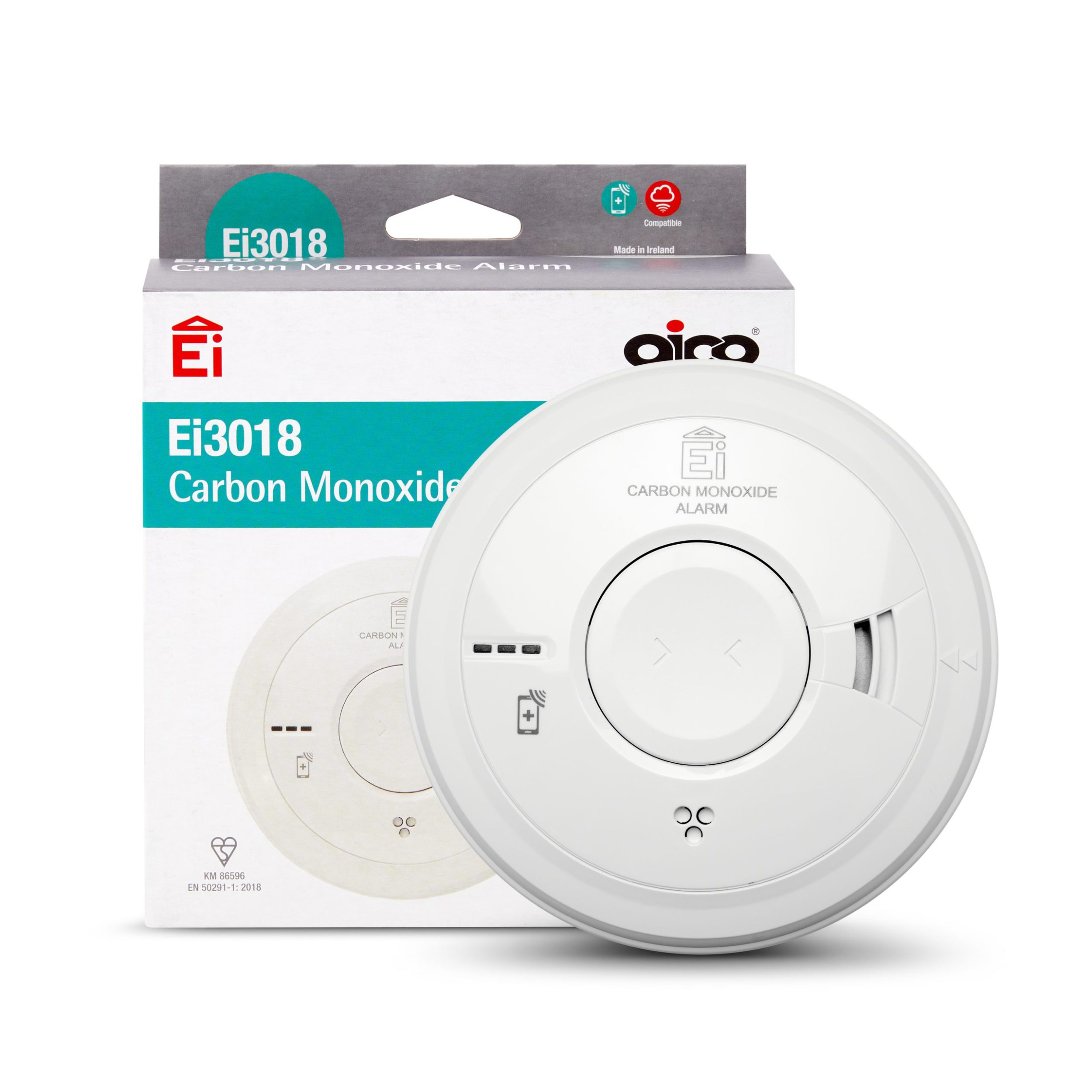
AudioLINK+ Technology
Monitor Carbon Monoxide in real-time with AudioLINK+
It is possible to have some background Carbon Monoxide in your home without it being enough to trigger an alarm.
The best way to find this out is to do an AudioLINK+ Data Extraction Report from any Aico Carbon Monoxide alarm via the AudioLINK+ app on your smartphone.
AudioLINK+ can also tell you things such as the sensor status and battery life.

Discover How
Our Innovative Products keep you Safe and Well in your Home.