The Fire Services Act 1981 (amended 2025)

What is The Fire Services Act 1981 (amended 2025)?

The Fire Services Act 1981 is Ireland’s primary fire‑safety law. It sets out how fire services are organised, the powers and duties of fire authorities, and the legal obligations on those in control of premises to prevent fires and protect people.

Key Features of The Fire Services Act 1981 (amended 2025)


  • Duty of the “person having control” (Section 18): take reasonable measures to prevent fire, provide and apply appropriate fire‑safety measures and procedures at all times, and ensure the safety of persons on the premises in the event of fire. (Practical explanation in the Government’s official guide.)


  • Enforcement powers: fire authorities can inspect premises, issue fire safety notices where risks exist, and seek High Court orders to restrict use where necessary. Appeals are provided for in the Act.


  • Organisation of fire services: the Act establishes fire authorities, sets out brigade functions (fire‑fighting, rescue, emergency operations), and enables co‑operation between authorities.


  • Regulation‑making and prosecutions: the Minister may make regulations; offences and prosecutions are provided for in the Act. (Penalties and procedures are set out in Part I; specific amounts can change over time through wider fines legislation, so always consult the current eISB entry.)


  • Subsequent amendments: the Licensing of Indoor Events Act 2003 inserted additional provisions (e.g., sections 20A and 21A) relating to indoor events; the Legislation Directory on eISB tracks these and other effects.
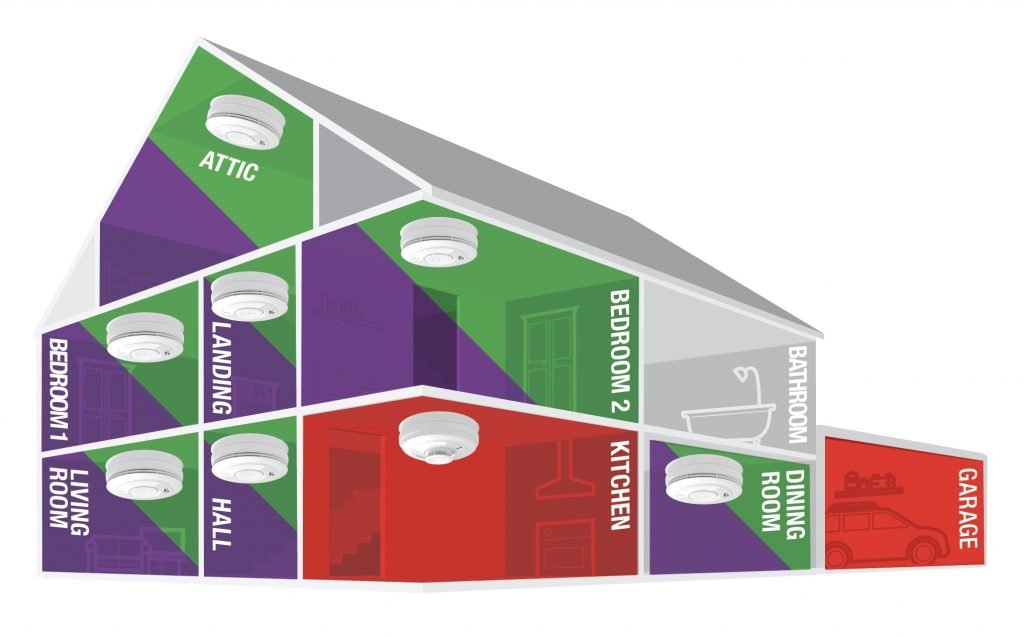
 

Scope of the Act

The Act applies nationally and governs both the organisation of fire services and fire safety in premises. In particular, Section 18 duties apply to premises other than a dwelling house occupied as a single dwelling; for dwelling houses, fire safety is primarily addressed through Building Regulations and related guidance. (The Government’s guide explains who the “person having control” is and where these duties apply.)

The Act also empowers fire authorities to act on potentially dangerous buildings, to inspect, to serve notices, and to seek court orders affecting the use of land and buildings where necessary for fire safety.

What’s new in 2025?

  • Status of the Act on eISB: The eISB entry for the Fire Services Act 1981 is “Updated to 14 December 2025.” This indicates the Legislation Directory has incorporated amendments and effects up to that date. There is no separate “Fire Services (Amendment) Act 2025” listed among 2025 Acts. (You can verify the list of 2025 Acts on the President’s website and on eISB.)
  • Related (but separate) regulatory changes in 2025: The Building Control (Amendment) Regulations 2025 (effective 1 May 2025) updated building‑control requirements (e.g., when Fire Safety Certificates and Disability Access Certificates are needed for certain industrial and storage buildings). These amendments sit under Building Control legislation, not the Fire Services Act, but they matter for compliance planning.

Why Compliance Matters

  • It’s the law: If you control a premises covered by Section 18, you must prevent fires, provide appropriate fire‑safety measures and procedures, apply them at all times, and ensure people’s safety if a fire occurs. Failure can lead to inspections, notices, court orders, and prosecution.
  • Protects people and operations: Proactive compliance reduces life‑safety risk, business interruption, and liability exposure. The Act equips fire authorities with tools to intervene where risks are unmanaged (e.g., fire safety notices and High Court orders).
  • Works alongside Building Regulations and standards: In practice, duty‑holders demonstrate compliance by following Building Regulations and the relevant product/installation standards for alarms and life‑safety systems, and by maintaining systems in service. (Section 18 focuses on the outcomes — preventing and managing fire risk — while Building Control sets the detailed routes to compliance.)

We’re Here To Help

Find the information you need in our library of educational and informative resources.

FAQstail-right