Residential Tenancies Board (RTB) – Minimum Standards
What are the Residential Tenancies Board (RTB) – Minimum Standards?
“Minimum standards” are the legal, physical standards that rented homes in Ireland must meet. They are set out in the Housing (Standards for Rented Houses) Regulations 2019 (S.I. No. 137/2019) and explained for landlords and tenants by the Residential Tenancies Board (RTB) and the Department of Housing. They cover structural condition, heating, ventilation, fire safety, carbon monoxide (CO) protection, sanitary facilities, food preparation, laundry, lighting, refuse, gas/oil/electrical safety and essential information.
Who enforces the standards? Local authorities, not the RTB, inspect and enforce the Regulations. The RTB provides information, maintains the tenancy register and handles dispute resolution.
Key Features of the RTB Minimum Standards?
- Structural condition: The dwelling must be sound, internally and externally, free from damp, with roofs, windows, floors, walls, stairs, doors, skirting, tiles, gutters, downpipes, fittings, gardens and common areas kept in good repair.
- Heating & ventilation: Every habitable room and each bathroom/shower room must have a permanently fixed heating appliance or system that tenants can control, with safe removal of combustion products where relevant, and adequate ventilation.
- Sanitary facilities: A toilet and wash‑hand basin with hot/cold water, and a fixed bath or shower with hot/cold water, provided within the same habitable area and for the exclusive use of the dwelling.
- Food preparation & laundry:
- Private rentals must provide a 4‑ring hob, oven and grill, fridge‑freezer, microwave, sink with potable cold water and hot water, and suitable storage; plus a washing machine, and a dryer where there is no private outdoor space.
- There are alternative provisions for certain local‑authority/AHB dwellings and 10‑year leases (e.g., allowance for installation facilities rather than full appliance sets).
- Lighting: Habitable rooms require natural and artificial lighting.
- Windows above 1,400 mm: Must have safety restrictors to prevent falls, designed so adults can release them without tools where escape is needed.
- Fire safety:
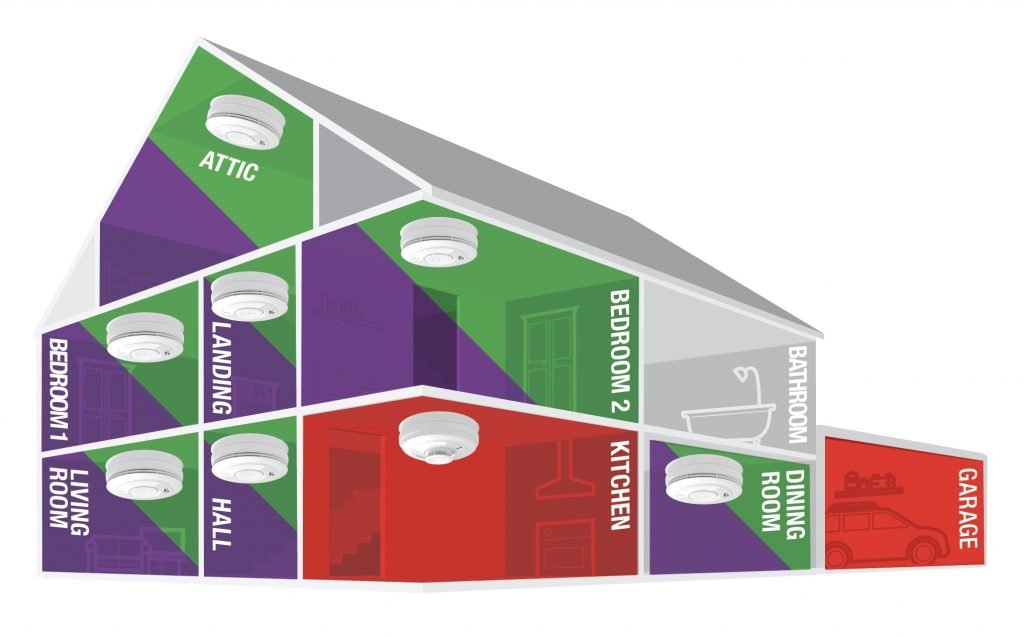
- Houses: access to a fire blanket, and a fire detection and alarm system, plus an evacuation plan.
- Multi‑unit buildings (2+ units sharing a common access): a fire detection and alarm system, emergency lighting in common areas, appropriate fire‑safety equipment maintained, and an evacuation plan; each unit must have a mains‑wired smoke alarm and a fire blanket.
- Carbon monoxide (CO) safety: Suitably located CO detectors/alarms where necessary (e.g., where combustion appliances present).
- Gas, oil and electrical safety: Installations must be safe and in good repair.
- Refuse & pest control: Access to appropriate bin storage, with measures to prevent vermin/pests.

We’re Here To Help
Find the information you need in our library of educational and informative resources.
FAQs