Where to Position Carbon Monoxide Alarms (June 2026).
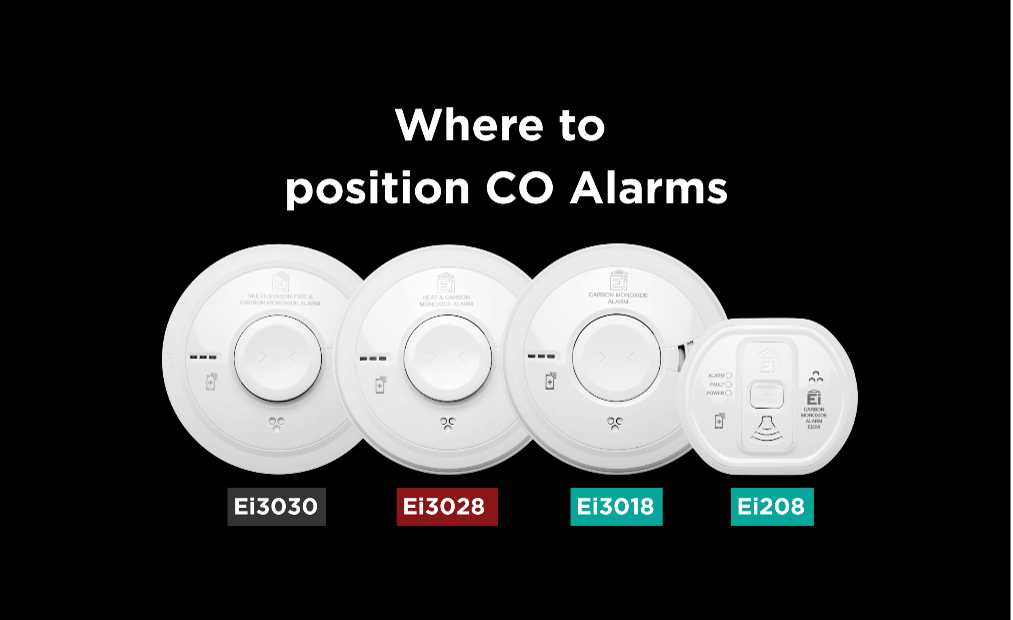

CO is a colourless, odourless, and tasteless poisonous gas produced by the incomplete combustion of fuels.
CO detectors are the only way for an occupant to receive a warning that there is a CO leak within their home. It is important to have CO alarms fitted in your home, and to ensure they are in the right places to receive the earliest warning.
The number of rooms that require CO alarm coverage differ due to different legislation in different countries.
Irish Legislation:
- Alarms can be battery powered or mains powered (type A, not plug in).
- A CO alarm must be installed when any new or replacement open-flued or flueless combustion appliance is fitted (excluding cookers).
- Applies to appliances burning gas, oil, coal, or wood.
Placement of CO Alarms
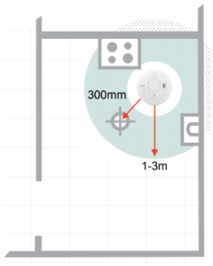
Carbon monoxide alarms should be placed within 1 – 3 metres of the fuel burning appliance being covered, ideally with 300mm clearance all the way around to ensure air flow to the alarm is not being obstructed.
If siting in a room containing a flue – the location of the flue should be considered i.e – if the flue runs through the ceiling, site in the upper part of the room.
If the appliance is in a cupboard and you cannot site at least 1m away, site just outside of the cupboard.
CO alarms should not be sited in damp or humid locations unless the manufacturers guidance confirms the apparatus’ suitability. Ei’s 200 Series alarms are suitable for these locations, providing that they are sited away from direct splash zones.
Lastly, it is recommended to consider adding additional alarms in rooms that occupants spend most of their time and sleeping rooms to ensure early warning.
Find more technical information about where CO alarms should be installed here.
Common siting mistakes to avoid when fitting CO alarms
A few simple errors can affect how well your alarms work, so it’s important to keep these in mind during installation:
- Installing CO alarms too close to the appliance they’re covering: alarms should be sited 1-3m away from the fuel burning appliance for appropriate detection.
- Putting alarms too close to walls or light fittings: all alarms need to be at least 300mm away from obstructions to avoid dead air spaces which may affect the efficiency of detection.
- Fitting alarms in rooms less frequented such as an external garage and not considering audibility throughout the property: in this case it may be worth including an additional alarm or interconnecting with the fire alarm system to ensure occupants are alerted.
- Not having a differentiation of alert type in interlinked systems that contain a mixture of fire and CO protection: this can lead to confusion over which device has triggered the system. Devices such as Ei’s Ei450 RadioLINK Alarm Controller can provide a visual alert indicator to help distinguish between activation types.